
Jump to:
- Why This Recipe Works
- Ingredients You’ll Need
- Step by Step Instructions
- Tips for Success
- Serving Suggestions
- Troubleshooting
- Bottom Line
Introduction
Let’s talk about something we’ve all experienced: you’ve been on a sourdough baking binge, eating slice after slice of that beautiful crusty bread you worked so hard to perfect, and suddenly… things aren’t moving the way they should. You’ve been glutened. You’re backed up. Your gut needs help.
Enter the Boule Bottom Blaster.
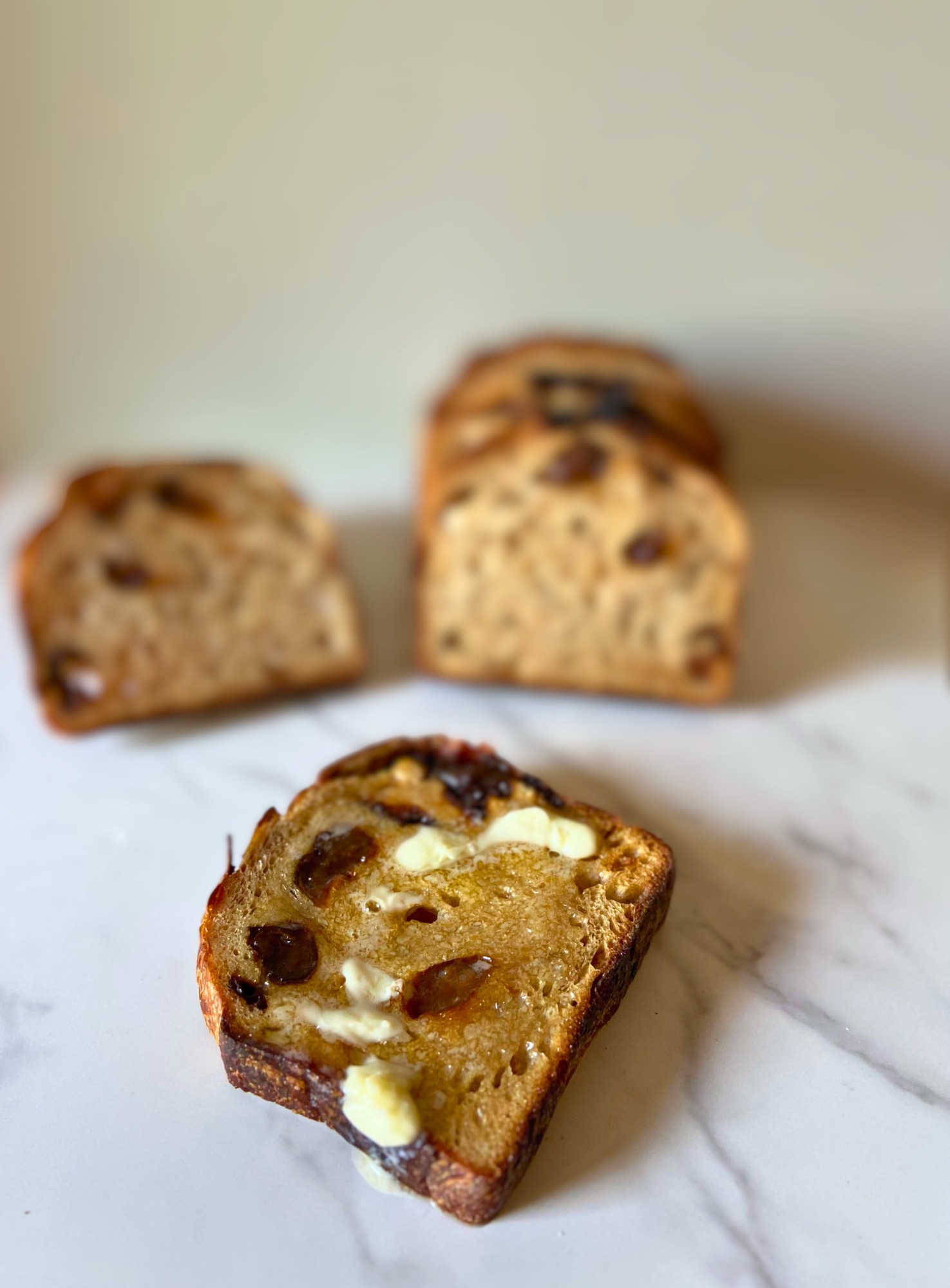
This isn’t your average prune bread. This is a legitimately delicious cinnamon vanilla sourdough that just happens to pack a powerful fiber punch courtesy of prune juice and chopped prunes. The warm spices make it taste like a treat, not a remedy, and the sourdough fermentation adds beneficial probiotics to help your digestive system get back on track.
I’m not going to lie, the name makes me laugh every time I say it. But here’s the thing: this bread is no joke when it comes to flavor. The prunes add natural sweetness and incredible moisture, the vanilla brings warmth, the cinnamon ties everything together, and the sourdough balances it all perfectly. It stays softer longer than regular sourdough, makes incredible toast, and yes, it will help move things along when you need a little assistance.
Whether you’re actually dealing with some digestive distress or you just love the idea of functional food that tastes amazing, this recipe delivers. Literally.
Cinnamon Vanilla Prune Sourdough: The Boule Bottom Blaster
Equipment
- two 10×5 inch metal bread pans can use a 9×5 but baking timing maybe different
- a banneton or bowl with tea towel
- kitchen scale
- Instant read thermometer
- Parchment paper
- a lame or sharp knife.
Ingredients
- 520 g bread flour
- 200 g prune juice room temperature
- 150 g filtered water room temperature
- 80 g active sourdough starter 100% hydration
- 10 g fine sea salt
For the Mix-Ins:
- 120 g pitted prunes chopped into 1/4 inch pieces
- 1 teaspoon vanilla extract
- 1/2 teaspoon ground cinnamon
Instructions
Day 1:
- Prep the prunes: Chop prunes into small pieces. Mix with vanilla extract and cinnamon until evenly coated. Set aside.
- Start the dough: Mix flour, prune juice, starter and water, and salt in a large bowl until just combined. No dry flour should remain. Cover and let rest for 30 minutes.
- Day 1: Bulk Fermentation
- First set of folds: Immediately perform your first set of coil folds or stretch and folds. The dough will be stickier, this is normal with the prune juice.
- Bulk fermentation schedule (Total: 4 to 6 hours at 70-73°F):
- 30 minutes: Second set of folds
- 30 minutes: Third set of folds
- 30 minutes: Fourth set of folds. ADD PRUNES (fold them in gently)
- 45 minutes: Fifth and final set of folds
- Rest undisturbed
- Bulk fermentation signs: Look for 50 to 70% size increase and dough easily pulling away from the sides of the bowl. The dough should pass the poke test: when gently poked with a floured finger, it should spring back slowly but leave a slight indentation.
- Note on size increase: If your dough started at 4 inches tall, 50% increase means it’s now 6 inches tall, and 70% means 6.8 inches. Under-proofed dough (less than 50%) will be dense and tight, while over-proofed dough (more than 80%) may collapse and lose structure. The sweet spot of 50 to 70% gives you the best balance of rise and structure.
- Day 1: Pre-shape and Bench Rest
- Pre-shape: Turn dough onto lightly floured surface. Pre-shape into a loose round and let rest 20 to 30 minutes.
- Final shape: Shape into a tight boule, creating good surface tension. The prunes might make this a bit trickier, but work slowly and confidently.
- Into the banneton: Place seam-side up in a banneton or bowl lined with a well floured tea towel.
- Day 1-2: Cold Fermentation
- Cold ferment: Cover and refrigerate for 12 to 24 hours.
Day 2: Bake Day
- Preheat: Preheat oven to 450°F (230°C)
- Prepare for baking: Turn dough onto parchment paper. Place your loaf with the parchment paper into the bread pan. Cover with the second bread pan placed upside down to create a lid. The pans I used
- Initial bake:
- Bake covered for 8 minutes at 450°F
- Score the dough:
- Remove from oven and carefully lift off the top pan (use oven mitts!)
- Score the dough with a sharp blade. What I use to score A simple line down the center works well since prunes can make intricate scoring challenging
- Replace the top pan lid
- Continue covered baking:
- Bake covered for an additional 20 minutes at 450°F
- Final uncovered bake:
- Remove the top pan lid
- Bake uncovered for 15 minutes or until deep golden brown and the internal temperature reaches 205°F (96°C) Instant read thermometer
- Watch carefully. Prune sugars may brown faster than regular bread
- Cool: Remove from bread pan and cool completely on a wire rack for at least 2 hours before slicing.
Notes
Why This Recipe Works
The Science of Prunes and Digestive Health
Prunes are incredible for digestive health, and it’s not just because of fiber (though they have about 12 grams per cup). Prunes contain sorbitol, a natural sugar alcohol that acts as a gentle laxative by drawing water into your intestines. They also contain phenolic compounds that stimulate beneficial gut bacteria. Combined with the probiotics from sourdough fermentation, you’re getting a double dose of gut friendly goodness.
Prune juice adds moisture and natural sugars to the dough while contributing to the overall fiber content. The chopped prunes throughout the bread provide texture, concentrated flavor, and those important digestive benefits in every bite.
Why No Autolyse?
You might notice this recipe skips the autolyse step that many sourdough recipes include. Here’s why: prune juice is naturally acidic (pH around 3.5 to 4.0), and that acidity can start breaking down gluten structure too early if you let the flour and liquid sit together before adding the starter. By mixing everything together right away, we get better gluten development and a stronger dough structure that can support all those chopped prunes.
The Hydration Sweet Spot
At 67% hydration (350g total liquid to 520g flour), this dough is slightly less hydrated than many sourdough recipes. This is intentional. Prune juice makes the dough stickier than water would, and we’re adding 120g of chopped prunes that release additional moisture during bulk fermentation. The lower hydration keeps the dough manageable and helps maintain structure during the long cold ferment.
I tested this recipe at 500g flour (70% hydration) and 550g flour (64% hydration) before landing on 520g as the perfect balance. Too wet and the dough was impossible to shape. Too dry and the crumb was tight and the prunes seemed out of place.
Vanilla and Cinnamon: More Than Just Flavor
The warm spices aren’t just here to make the bread taste good (though they absolutely do). Vanilla and cinnamon complement the deep, slightly caramelized flavor of prunes beautifully. They transform what could taste medicinal into something you’d genuinely want to eat for breakfast, toasted with butter.
Cinnamon also has its own digestive benefits, helping reduce bloating and gas. It’s like the whole loaf is designed to make your gut happy.
Why Increase the Starter?
This recipe uses 80g of active starter instead of the more common 70g you might see in other recipes. The prune juice’s acidity and natural sugars affect fermentation timing, and the extra starter ensures the dough has enough leavening power to rise properly, especially during the cold ferment. You want this bread to have good oven spring and an open crumb, not a dense, heavy texture.
The Double Bread Pan Method
Instead of a Dutch oven, this recipe uses two bread pans (one inverted over the other) to create steam. This method is perfect for this bread because you can easily check on browning. The natural sugars in prunes make the crust darken faster than regular sourdough, and being able to peek under the lid or tent with foil prevents burning while still getting that beautiful golden crust.
Ingredients You’ll Need
For the Dough
- 520g bread flour – provides the protein structure needed to support the prunes and develop good gluten
- 200g prune juice – adds moisture, natural sweetness, digestive benefits, and that characteristic prune flavor (use room temperature, not cold from the fridge)
- 150g filtered water – balances the hydration without diluting the prune flavor too much (also room temperature)
- 80g active sourdough starter – at 100% hydration, bubbly and active, for leavening and that signature sourdough tang
- 10g fine sea salt – enhances all the flavors and strengthens gluten structure
For the Mix-Ins
- 120g pitted prunes – chopped into 1/4 inch pieces, not soaked, just as they come from the package
- 1 teaspoon vanilla extract – use real vanilla extract, not imitation
- 1/2 teaspoon ground cinnamon – freshly ground if possible for the best flavor
Equipment Notes
- Two 9×5 inch metal bread pans (for the double pan baking method)
- Banneton or bowl lined with a well floured tea towel
- Kitchen scale (this recipe requires weight measurements for best results)
- Instant read thermometer (to check internal temperature)
- Parchment paper
- Bread lame or sharp knife for scoring
Step by Step Instructions
Instructions
Day 1:
- Prep the prunes: Chop prunes into small pieces. Mix with vanilla extract and cinnamon until evenly coated. Set aside.
- Start the dough: Mix flour, prune juice, starter and water, in a large bowl until just combined. No dry flour should remain. Cover and let rest for 30 minutes.
Day 1: Bulk Fermentation
- Add salt: Add your salt to the dough. Mix thoroughly with wet hands until well incorporated.
- First set of folds: Immediately perform your first set of coil folds or stretch and folds. The dough will be stickier, this is normal with the prune juice.
- Bulk fermentation schedule (Total: 4 to 6 hours at 70-73°F):
• 30 minutes: Second set of folds
• 30 minutes: Third set of folds
• 30 minutes: Fourth set of folds. ADD PRUNES (fold them in gently)
• 45 minutes: Fifth and final set of folds
• Rest undisturbed - Bulk fermentation signs: Look for 50 to 70% size increase and dough easily pulling away from the sides of the bowl. The dough should pass the poke test: when gently poked with a floured finger, it should spring back slowly but leave a slight indentation.
Note on size increase: If your dough started at 4 inches tall, 50% increase means it’s now 6 inches tall, and 70% means 6.8 inches. Under-proofed dough (less than 50%) will be dense and tight, while over-proofed dough (more than 80%) may collapse and lose structure. The sweet spot of 50 to 70% gives you the best balance of rise and structure.
Day 1: Pre-shape and Bench Rest
- Pre-shape: Turn dough onto lightly floured surface. Pre-shape into a loose round and let rest 20 to 30 minutes.
- Final shape: Shape into a tight boule, creating good surface tension. The prunes might make this a bit trickier, but work slowly and confidently.
- Into the banneton: Place seam-side up in a banneton or bowl lined with a well floured tea towel.
Day 1-2: Cold Fermentation
- Cold ferment: Cover and refrigerate for 12 to 24 hours.
Day 2: Bake Day
- Preheat: Preheat oven to 450°F (230°C)
- Prepare for baking: Turn dough onto parchment paper. Place your loaf with the parchment paper into the bread pan. Cover with the second bread pan placed upside down to create a lid. The pans I used
- Initial bake:
• Bake covered for 8 minutes at 450°F - Score the dough:
• Remove from oven and carefully lift off the top pan (use oven mitts!)
• Score the dough with a sharp blade. What I use to score A simple line down the center works well since prunes can make intricate scoring challenging
• Replace the top pan lid - Continue covered baking:
• Bake covered for an additional 20 minutes at 450°F - Final uncovered bake:
• Remove the top pan lid
• Bake uncovered for 15 minutes or until deep golden brown and the internal temperature reaches 205°F (96°C) Instant read thermometer
• Watch carefully. Prune sugars may brown faster than regular bread - Cool: Remove from bread pan and cool completely on a wire rack for at least 2 hours before slicing.
Watch carefully during this stage. The natural sugars in the prunes will make the crust brown faster than regular sourdough. If the crust is getting too dark before the bread reaches temperature, tent it loosely with aluminum foil.
Step 7: Cool Completely (2 hours minimum)
Remove from the oven and lift the bread out of the pan using the parchment overhang. Transfer to a wire rack. Let it cool for at least 2 hours before slicing. I know it’s tempting to cut into it right away, but hot bread will be gummy inside. The cooling time lets the crumb set properly.
Tips for Success
Managing Sticky Dough
This dough will be stickier than your typical sourdough because of the prune juice. Keep your hands wet during mixing and folding. Use a light dusting of flour during shaping, but don’t add so much that you change the hydration ratio.
Checking Bulk Fermentation
The 50 to 70% size increase is crucial. Use a clear container or mark your bowl so you can track the rise accurately. Remember: under fermented dough = dense crumb. Over fermented dough = collapsed structure and gummy texture.
Prune Distribution
Don’t stress if the prunes aren’t perfectly evenly distributed. Some clustering is normal and actually creates nice pockets of concentrated flavor.
Storage
This bread stays moister longer than regular sourdough thanks to the prunes. Store it cut side down on a cutting board at room temperature for 2 to 3 days. Don’t store in plastic or a bag, as the moisture will make the crust soft.
For longer storage, slice and freeze. Toast slices straight from frozen.
Making It Dairy Free
This recipe is already naturally dairy free and vegan (assuming your sourdough starter is). No substitutions needed.
Serving Suggestions
Simply Buttered
Slice thick, toast lightly, and spread with salted butter. The warmth brings out the vanilla and cinnamon beautifully.
Extra Prunes on Top
Toast a slice and top with a few chopped prunes and a drizzle of honey. It’s like a deconstructed prune danish.
Breakfast Toast
This bread makes phenomenal breakfast toast. Try it with almond butter and sliced bananas, or cream cheese and a sprinkle of cinnamon.
Alongside Coffee
The warm spices and subtle sweetness pair incredibly well with coffee, especially a dark roast.
As a Snack
Honestly, this bread is delicious enough to eat plain as a snack. The prunes add just enough sweetness that it doesn’t need anything on it.
Troubleshooting
Dense Crumb
Possible causes:
- Under fermented during bulk (less than 50% rise)
- Weak starter (make sure it’s bubbly and active)
- Not enough folds during bulk fermentation
- Dough was too cold during bulk fermentation
Solutions: Make sure your starter is at peak activity. Let the dough bulk ferment in a consistently warm spot (70 to 75°F). Watch for that 50 to 70% size increase, not just the clock.
Overly Sticky Dough
Possible causes:
- Too much liquid (check your measurements)
- Prune juice was very liquidy rather than typical juice consistency
- Room was very warm, causing faster fermentation and breakdown
Solutions: If your dough seems unmanageably sticky during mixing, you can add 10 to 20g more flour. During shaping, use flour liberally on your hands and surface. The dough will firm up in the fridge.
Gummy Texture Inside
Possible causes:
- Over fermented during bulk (more than 80% rise)
- Didn’t bake long enough (internal temp below 205°F)
- Cut into the bread before it cooled completely
Solutions: Watch bulk fermentation carefully. Use an instant read thermometer to check that internal temperature. Be patient during the cooling time, even though it’s hard.
Prunes Burning on Crust
Possible causes:
- Oven too hot for uncovered baking phase
- Baked uncovered too long
- Prunes poking through the surface when you scored
Solutions: Tent with foil if the crust is browning too quickly. Check internal temperature rather than relying solely on time. Try to keep prunes tucked into the dough during final shaping.
Flat Loaf, No Oven Spring
Possible causes:
- Over fermented during bulk or cold ferment
- Dough not shaped tightly enough
- Oven and pans not preheated long enough
Solutions: Watch bulk fermentation signs carefully. Practice shaping to create good surface tension. Preheat your oven and pans for a full 30 minutes minimum.
Calories: 135 | Carbohydrates: 28g | Protein: 4g | Fiber: 2g | Sugar: 4g
Made this recipe? Tag me on Instagram @h3artofthehome and use #BouleBottomBlaster so I can see your bread!

The Bottom Line
Your “Boule Bottom Blaster” is the perfect solution when you’ve want to take your sourdough to the next level. It combines your favorite bread with a healthy dose of fiber to get things moving again. Or keep them moving!
Slather on a big pat of butter and add more prunes on top if you’re feeling adventurous. Sometimes the best medicine comes in the form of delicious bread!

I am an Amazon affiliate. The links I provide are no cost to you but help supplement some of the cost of my website when you click on them and purchase the items. I only suggest items I’ve used and trust.









Leave a Reply